It’s one of the toughest calls a homeowner has to make. That big tree in your yard, the one that’s been there longer than you have, the one your kids learned to climb, the one that shades half your house in the summer, suddenly isn’t looking so good.
Or maybe it’s fine, but it’s getting a little too close to the power lines. Or the roof. Or both.
And now you’re standing there wondering: Can we save this thing? Should we even try?
At Stowe Ray Tree Services, I’ve had this conversation hundreds of times over the past 24 years. And here’s what I’ve learned: there’s rarely a simple answer. Every tree, every property, every situation is different. But some questions can help you figure out the right call.
The Trees People Want to Save (And Why)
Let’s be real, trees aren’t just landscaping. They’re part of your home’s story.
I’ve worked with families who planted a tree when their first kid was born. I’ve seen homeowners nearly in tears over removing a massive oak that’s been standing since before their neighborhood even existed. These aren’t just branches and leaves. They’re memories, shade on hot days, the spot where the tire swing hung.
So when someone calls me asking if we can save a tree, I get it. I’m not in the business of cutting down trees just because I can. If there’s a way to keep it healthy and safe, I want to find it.
When Saving Makes Sense
Some trees are absolutely worth fighting for. Here’s when I typically recommend trying to save one:
The tree is basically healthy. Maybe it needs some serious trimming, or you’ve got some dead branches that need to come off, but the core of the tree is solid. Regular maintenance and a good trim can buy you years, sometimes decades, of life.
The problem is fixable. Crown thinning, cabling, bracing… There are plenty of ways to address structural issues without taking the whole tree down. If the roots are good and the trunk is sound, I can often work with what you’ve got.
It’s not threatening anything important. If the tree has some issues but isn’t hanging over your house, your neighbor’s house, or anywhere people regularly hang out, you might have the luxury of monitoring it and addressing problems as they come up.
You’ve got the budget for ongoing care. Saving a struggling tree isn’t usually a one-and-done deal. It might mean regular checkups, treatments, or maintenance. If you’re willing to invest in keeping it healthy, I can help make that happen.
When It’s Time to Let Go
This is the harder conversation, but sometimes it’s the right one. Here’s when removal usually makes the most sense:
The tree is dying or already dead. Dead trees are unpredictable. You don’t know when a branch is going to come down, or if a strong wind is going to knock the whole thing over. It’s not worth the risk.
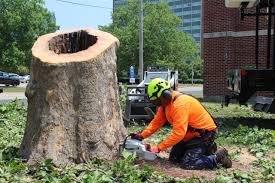
Major structural damage. If the trunk is split, hollow, or rotting from the inside out, there’s not much I can do. These trees are accidents waiting to happen.
Root problems. If the roots are damaged, diseased, or compromised (maybe from construction work or repeated flooding), the tree doesn’t have the foundation it needs. It might look fine now, but it won’t stay that way.
It’s too close to structures. Sometimes a tree was fine when it was planted, but now it’s brushing the roof, cracking the foundation, or tangled in the power lines. You can trim it back, but if it’s going to be a constant battle, removal might be the smarter move.
Disease or pest infestation. Some diseases and pests can’t be stopped. And worse, they can spread to other trees on your property or your neighbors’. Sometimes removing one sick tree protects everything else around it.
Storm damage. Northwest Arkansas weather doesn’t mess around. If a tree took a major hit in a storm with a split trunk, massive limbs down, or leaning hard, it’s probably done. Even if part of it looks okay, the structural integrity is shot.
The Honest Conversation
Here’s what I do when a homeowner isn’t sure: I come out and take a look. Not just a glance from the driveway, but a real assessment.
I check the roots, the trunk, the branches. I look at where the tree sits on the property and what’s nearby. I talk about what you’re hoping for and what’s realistic.
And then I give you my honest opinion. Sometimes that’s, “Yeah, we can save this with some good trimming and care.” Sometimes it’s, “I’m sorry, but this tree is on borrowed time, and it’s not safe.”
I’ve seen what happens when people wait too long on a dangerous tree, and I’ve also seen beautiful old trees brought back to health with the right care. My job is to help you figure out which situation you’re dealing with.
It’s Your Call (But I’m Here to Help)
At the end of the day, it’s your tree and your property. I’m just here to give you the information you need to make a smart decision.
If you want to try to save it, I’ll tell you what that looks like: the time, the cost, the realistic chances of success. If removal is the safer bet, I’ll walk you through that process too.
The worst thing you can do? Ignore the problem and hope it goes away. Trees don’t get better on their own, and a bad situation only gets worse (and more expensive) with time.
So if you’ve got a tree that’s keeping you up at night, or you’re just not sure what to do, give me a call. I’ll come take a look, talk it through, and help you figure out the best move for your property and your peace of mind.