The forecast calls for ice accumulation overnight. By morning, you look outside to find heavy branches sagging under the weight, power lines down across the neighborhood, and a large oak limb resting against your roof. This scenario plays out across Northwest Arkansas every winter, and with predictions of snow and ice this season, storm preparation isn’t optional.
While we can’t control the weather, we can control how prepared our trees are when storms arrive. Understanding storm damage prevention and knowing what to do in an emergency can save you thousands in property damage and keep your family safe.
Why Tree Storm Damage Happens
Trees that have stood for decades can suddenly fail during storms for reasons that aren’t always obvious. Several factors contribute to storm damage, and many of them develop gradually over the years before becoming critical.
Structural weaknesses often start small. A narrow branch union that looks fine when the tree is young becomes a liability as the tree matures and those branches grow heavier. Under the stress of ice or high winds, these weak unions split, sending large limbs crashing down.
Dead or dying branches lack the flexibility and strength of healthy wood. They can’t bend with the wind or bear the weight of ice. Even branches that appear attached can be hollow or rotted inside, held in place by just a thin shell of outer bark until stress from weather causes them to snap.
Root problems aren’t visible, but they’re extremely important. Trees with shallow or compromised root systems can topple entirely during storms. Saturated soil from heavy rain combined with high winds creates the perfect conditions for uprooting. Once roots lose their grip, even healthy trees can fall.
Disease and pest damage weaken trees from the inside out. A tree might look fine on the exterior while its interior structure is compromised by decay, making it vulnerable to breaking or splitting under storm loads.
Dense, overgrown canopies catch wind and accumulate heavy loads of ice and snow. The more surface area a tree presents, the more force wind and precipitation can exert on it.
Preventive Measures You Can Take Now
The best time to prepare for storm damage is before the storm arrives. Regular tree maintenance isn’t just about appearance; it’s a critical safety measure.
Schedule annual tree inspections with a certified arborist. Professional tree assessments identify problems you might miss. An arborist can spot early signs of disease, structural defects, and other issues that increase storm vulnerability. They use their training and experience to evaluate risk and recommend appropriate action.
Keep up with regular pruning throughout the year. Removing dead, diseased, or damaged branches eliminates the most likely points of failure during storms. Thinning dense canopies reduces wind resistance and ice accumulation. Opening up the structure allows wind to pass through rather than pushing against a solid mass of branches.
Address structural problems early. Trees with weak branch unions can be cabled or braced to provide additional support. This is far less expensive than removing the tree after it splits, and it can extend the life of a valuable tree by decades.
Maintain overall tree health through proper watering, mulching, and addressing pest and disease issues promptly. Healthy trees withstand stress better than compromised ones. They’re more flexible, their wood is stronger, and they recover faster if damage does occur.
Consider the location and species when planting new trees. Some species are naturally more resistant to storm damage than others. Avoid planting trees with known weak wood or shallow root systems in high-risk areas near structures or power lines. Plan for the tree’s mature size and choose locations where it has room to grow without creating future hazards.
Warning Signs Your Tree Is at Risk
Between professional inspections, you should watch for signs that a tree needs attention. Learning to spot these warning signs can help you address problems before they become emergencies.
Leaning trees are obvious concerns, especially if the lean is new or increasing. A tree that has always leaned might be stable, but any change in angle suggests root problems or structural failure in progress. Check for raised soil, exposed roots, or cracks in the ground on the side opposite the lean. These are serious warning signs.
Look for visible cracks in the trunk or major branches. Cracks indicate the tree is under stress and potentially splitting. Vertical cracks are particularly concerning as they often precede catastrophic failure.
Dead or hanging branches anywhere in the tree need immediate attention. A branch doesn’t have to be directly over your house to be dangerous. It can fall and bounce, break other branches on the way down, or land in unexpected places.
Fungal growth on the trunk or at the base often indicates internal decay. Mushrooms, conks, and other fungal bodies are the visible signs of rot happening inside the tree. The amount of structural integrity loss depends on the extent of the decay, but any fungal growth warrants professional evaluation.
Inspect the trunk base for cavities, wounds, or areas where bark is missing. These openings allow decay organisms to enter and weaken the tree’s structural support.
Pay attention to sudden changes. If a tree drops many branches during mild weather or sheds large amounts of bark unexpectedly, something is wrong. These changes often indicate serious internal problems or root damage.
What to Do During a Storm
When severe weather arrives, your priority is safety, not property. Follow these guidelines to stay safe during the storm itself.
Stay indoors away from windows. Most storm injuries occur when people go outside during dangerous conditions. Falling branches, flying debris, and downed power lines are immediate threats.
If a tree or large branch falls on your home, evacuate the area immediately if it compromises the structure. Move to a safe location and call 911 if anyone is injured or trapped.
Never approach downed power lines or trees touching power lines. Assume any downed line is live and dangerous. Keep everyone, including pets, away from the area and call your utility company immediately.
Avoid parking under trees during ice storms or high winds. The weight of ice or wind force can bring down branches without warning.
If you hear cracking or breaking sounds from nearby trees during a storm, move to a safer location. These sounds often precede branch or tree failure.
After the Storm: Immediate Response
Once the storm passes and it’s safe to go outside, assess the damage carefully. Don’t rush into cleanup. Many post-storm injuries happen during the rush to clean up without proper caution.
Conduct a visual inspection from a safe distance. Look for hanging branches, leaning trees, split trunks, and other obvious damage. Note any trees or branches touching power lines.
Take photos of all damage before doing anything. These photos document the extent of damage for insurance purposes and help tree service professionals understand the situation when you call.
If trees or branches are blocking roads, driveways, or pose immediate safety hazards, contact emergency services or a professional tree service. This isn’t the time for DIY removal. Storm-damaged trees are unpredictable and extremely dangerous.
Keep people and pets away from damaged trees. Even if a tree looks stable, it may have hidden damage that could cause sudden failure. Establish a safety perimeter around any damaged trees until professionals can assess and address them.
Document everything for insurance claims. Most homeowner’s insurance policies cover tree removal if the tree falls on a structure and causes damage. They typically won’t cover the removal of trees that fall in your yard without hitting anything, but there are exceptions. Review your policy and contact your insurance company promptly.
Emergency Tree Services Explained
Emergency tree services address immediate safety hazards caused by storm damage. Understanding what qualifies as an emergency helps you know when to call for urgent help versus scheduling regular service.
True emergencies include trees or large branches that have fallen on structures, vehicles, or are blocking essential access. Trees leaning dangerously over structures or at immediate risk of falling also qualify as emergencies. Any tree or branch in contact with power lines requires immediate professional attention.
Emergency tree services typically operate 24/7 because storms don’t follow business hours. When you call, be prepared to describe the situation in detail, including whether power lines are involved, if anyone is injured or trapped, if structures are damaged, and if access is blocked.
Emergency response prioritizes situations based on risk. Active threats to life and property get immediate attention. A tree through your roof or blocking your only exit takes precedence over a branch lying in your backyard.
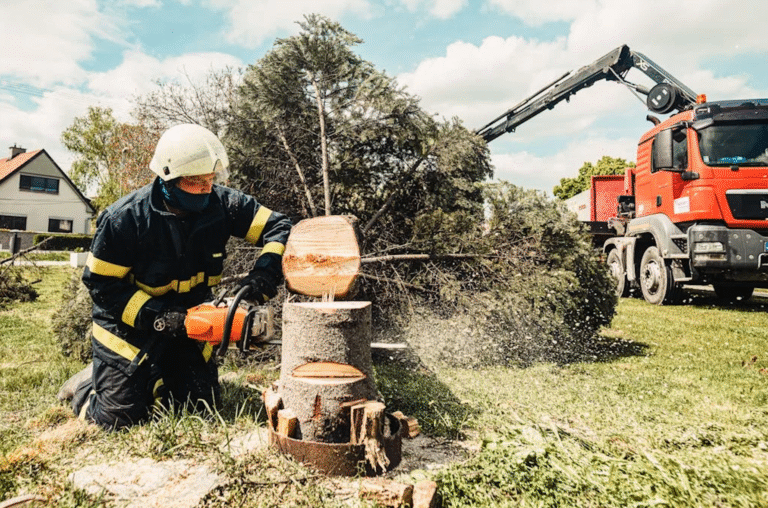
Professional emergency services have specialized equipment to handle dangerous situations safely. Cranes, bucket trucks, and rigging equipment allow them to remove trees and branches that would be impossible to handle with basic tools. They have the training to work around power lines, on structures, and in other hazardous conditions.
The Cost of Emergency vs. Preventive Services
Many homeowners hesitate to invest in preventive tree care, viewing it as an unnecessary expense. The reality is that preventive care costs a fraction of emergency services and storm damage repairs.
Regular pruning and maintenance might cost a few hundred dollars per tree annually, depending on size and condition. Emergency tree removal after storm damage typically costs several times more due to the urgent nature, dangerous conditions, and extensive cleanup required.
Property damage from falling trees can run into tens of thousands of dollars. Even with insurance coverage, you face deductibles, premium increases, and the stress and disruption of repairs.
Consider the value of mature trees on your property. A healthy, well-maintained tree adds significant value to your home. Storm damage that could have been prevented through regular care can mean losing these valuable assets entirely.
Working with Your Insurance Company
Understanding your homeowner’s insurance coverage before a storm happens makes the process much smoother when you need to file a claim.
Most policies cover tree removal and property repairs if a tree falls on an insured structure due to weather events like wind, ice, or lightning. Coverage typically doesn’t extend to trees that fall without causing damage to structures.
Insurance companies usually require itemized estimates separating the cost of removing the tree from the structure from hauling away debris. They may also want documentation that the tree was healthy and properly maintained. Trees that fell due to neglect or obvious rot may not be covered.
Take extensive photos and videos before any cleanup begins. Document the tree’s position, property damage, and overall scene from multiple angles.
Get multiple estimates from licensed and insured tree service companies. Insurance adjusters appreciate seeing competitive bids, and it helps ensure fair pricing.
Keep all receipts and communications related to the damage and repairs. This documentation supports your claim and provides records if disputes arise.
Choosing an Emergency Tree Service
Not all tree services are equipped or qualified to handle emergencies. When you need urgent help, choosing the right company matters for safety, insurance, and quality of work.
Verify the company carries proper insurance, including liability coverage and workers’ compensation. If an uninsured worker is injured on your property, you could be held liable. Always ask for proof of insurance before work begins.
Look for certified arborists on staff. While not every crew member needs certification, having certified arborists involved ensures knowledgeable decision-making about tree care, especially for trees that might be saved rather than removed.
Ask about their equipment. Emergencies often require specialized equipment like cranes and bucket trucks. Companies without this equipment may not be able to handle your situation safely or efficiently.
Check their availability and response time. True emergency services should be available 24/7 and able to respond within hours, not days, for genuine emergencies.
Read reviews and ask for references, but understand that in emergencies, you may need to act quickly. Having a tree service you trust identified before an emergency happens is ideal.
Long-Term Storm Resilience
Building a storm-resilient landscape takes time and ongoing attention, but the investment pays off in reduced damage and lower stress during severe weather.
Diversify your tree species. A landscape full of the same type of tree faces similar vulnerabilities. Mixed species spread risk and ensure that a disease or pest affecting one type doesn’t devastate your entire landscape.
Plant trees with long-term planning. Consider mature size, root characteristics, and storm resistance. Place trees where they have room to grow without threatening structures or utilities.
Establish a relationship with a reputable tree service. Regular maintenance builds a record of care that helps with insurance claims and keeps your trees healthy and safe year-round.
Keep trees properly watered and mulched. Stressed trees are more vulnerable to everything from pest damage to storm failure. Basic care goes a long way toward building resilience.
Stay informed about weather forecasts. Modern weather apps and alerts give you advanced warning of dangerous conditions. Use this time to secure outdoor items, move vehicles, and prepare for potential power outages.
Taking Control of Tree Safety
Northwest Arkansas will continue to experience ice storms, high winds, and severe weather. While we can’t prevent storms, we can take meaningful steps to minimize damage and respond effectively when it occurs.
The trees on your property are valuable assets that deserve proactive care. Regular maintenance, professional inspections, and prompt attention to problems protect both your trees and your property.
When storm damage does happen, remember that safety comes first. Never attempt dangerous tree work yourself, and don’t hesitate to call for professional help when needed.
Stowe Ray Tree Service provides both preventive tree care and 24/7 emergency response throughout Rogers, Bentonville, and Northwest Arkansas. With over 20 years of experience handling everything from routine maintenance to severe storm cleanup, we understand the unique challenges our local climate presents. Whether you need help preparing your trees for winter weather or require emergency services after a storm, our team has the equipment, expertise, and commitment to safety to handle any situation.